
Building Institutions that Strengthen Communities
The Osuji Family Foundation supports the development of enduring community institutions, spaces where knowledge, culture, and public engagement can grow together.
Institutions that Serve the Public Good
Communities thrive when they have access to places that support learning, cultural exchange, and shared stewardship of knowledge. Libraries, public parks, research centers, and cultural spaces often become the environments where new ideas emerge and where communities maintain connections to their history and identity.
The Osuji Family Foundation approaches community development through the creation and support of long-term public assets. These are institutions designed not only for present use, but for the benefit of future generations.
By investing in physical and intellectual infrastructure, the Foundation aims to contribute to environments where education, cultural preservation, and public inquiry can flourish.

Knowledge and Cultural Infrastructure
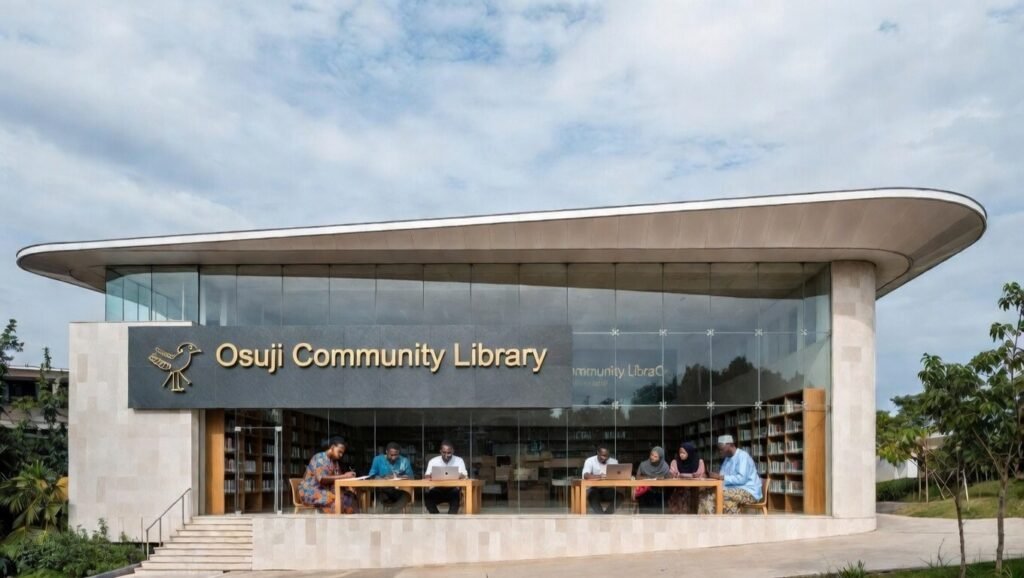
Community assets supported by the Foundation are intended to serve multiple roles. They provide access to knowledge resources, create spaces for research and dialogue, and encourage the preservation of cultural and ecological heritage.
Examples of such assets may include:
• Public knowledge centers and libraries
• Cultural archives and research spaces
• Botanical and ecological learning environments
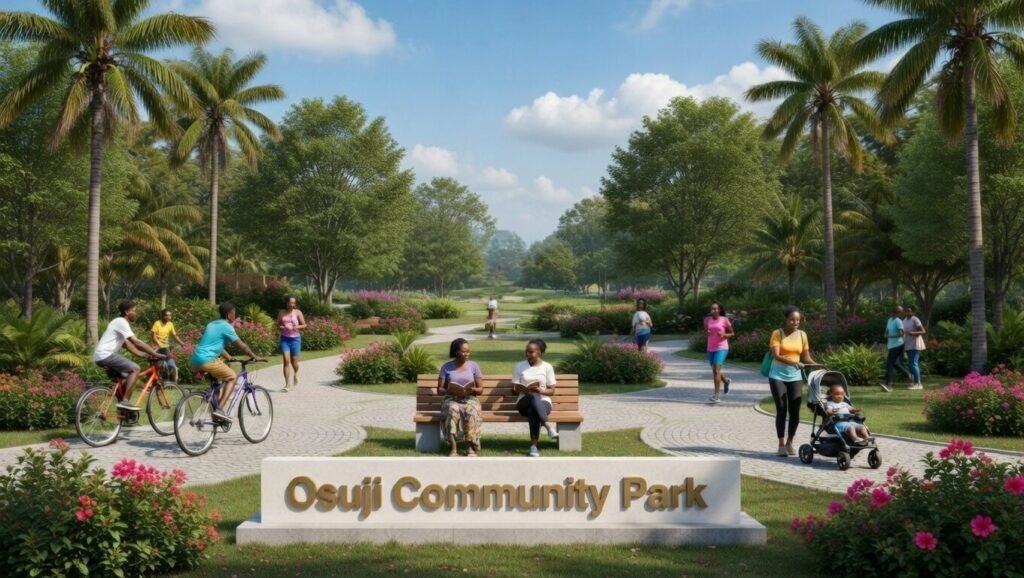
• Community parks and public gathering areas
These spaces are designed to encourage learning, exploration, and collaboration between scholars, students, and community members.
Long-Term Stewardship
The effectiveness of a community institution often depends on the care and stewardship it receives over time. For this reason, the Foundation emphasizes sustainable planning, responsible management, and partnerships that ensure long-term continuity.
Rather than focusing solely on short-term initiatives, the Foundation supports assets that can operate as stable institutions within their communities. Through thoughtful governance and responsible resource management, these spaces are intended to remain active centers of knowledge and engagement.
Connecting Community and Scholarship
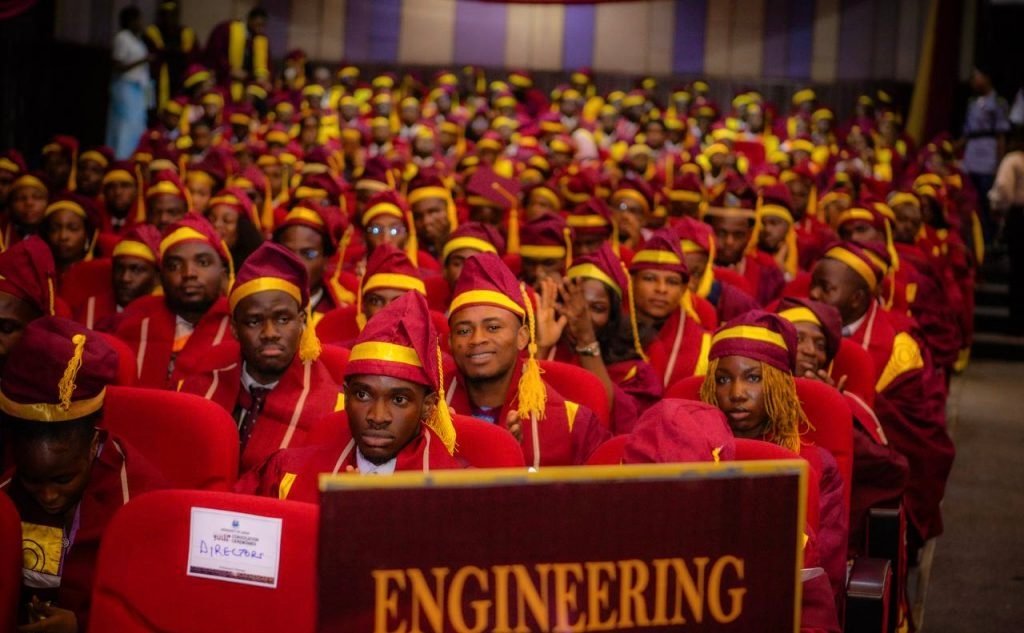
Public institutions can play a powerful role in connecting local communities with broader networks of scholarship and research. When community spaces also serve as environments for study, collaboration, and dialogue, they become places where local knowledge and global scholarship can interact productively.
The Foundation therefore seeks to support assets that encourage interaction between community members, scholars, cultural practitioners, and researchers. These environments help cultivate shared learning while strengthening the intellectual life of the communities they serve.
Spaces Designed for Generations
Community assets become most valuable when they endure. Libraries, parks, and cultural institutions that remain active for decades often shape the intellectual and cultural life of entire regions.
By supporting the development of such institutions, the Osuji Family Foundation contributes to the creation of places that promote education, stewardship, and civic engagement over the long term.
These spaces are designed not simply as facilities, but as environments where knowledge, culture, and community life intersect.
Explore the Foundation’s Institutions
Learn more about the knowledge infrastructure and research environments supported by the Osuji Family Foundation.